Claude AI Optimization: Get Cited by Anthropic’s Claude
By Luca Pizzola, Co-Founder of Oltre AI | Published December 2025
Last updated: March 17, 2026
Claude AI optimization is the practice of structuring and sourcing content so Anthropic’s Claude can confidently cite it in answers. Claude is conservative with citations and strongly favors verifiable claims, primary sources, and balanced language. Because Claude’s web retrieval aligns closely with Brave Search results, winning Brave visibility, freshness signals, and schema-backed structure materially increases citation probability.
What Is Claude AI Optimization and How Do You Get Cited?
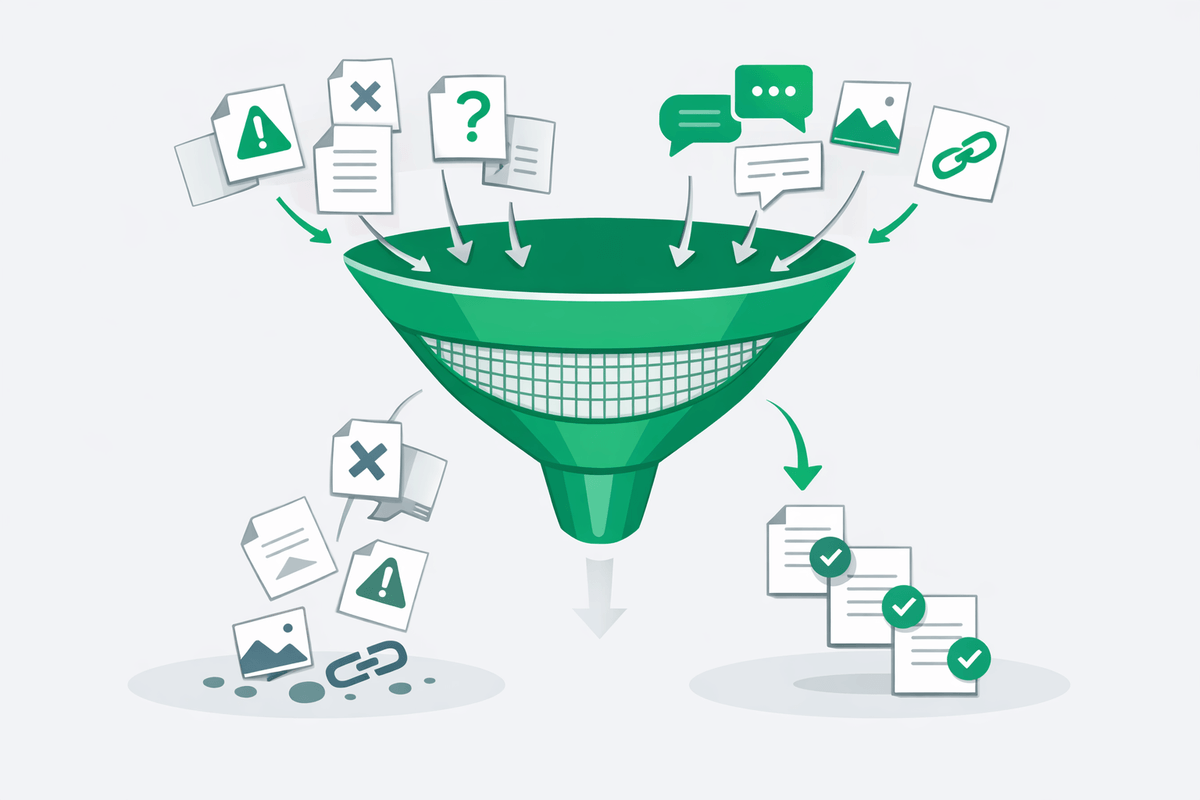
Claude AI optimization (Claude citation optimization) is “make your page easy to verify.” It means writing in a way Claude can check quickly: dated facts, primary-source links, clear headings, and a balanced tone for nuanced topics. Claude’s web search backend is Brave Search (a search engine by Brave Software), confirmed by TechCrunch (March 2025) and Anthropic’s subprocessor documentation.
Practically, Claude citations track Brave’s top results unusually closely: citation overlap is 86.7% (Profound, 2025). That is why Claude-specific GEO work is less about “ranking one keyword” and more about being the most verifiable source across a topic cluster.
To get cited, publish content with (1) diverse authoritative sources, (2) semantic structure (H2/H3, tables, lists), (3) visible freshness (“Last updated”), and (4) schema (JSON-LD) so Brave-powered retrieval can parse and trust the page. (For broader context, see geo-targeting versus SEO strategies.)

5 Strategies to Get Cited by Claude
1. Prioritize Factual Accuracy
Claude cites content that stays correct under scrutiny. Claude is trained to be careful about factual claims, so a single wrong number can disqualify an otherwise good page. Build an editorial checklist (dates, units, definitions) and treat updates as part of publishing, not maintenance.
- Fact-check all claims before publishing
- Cite primary sources wherever possible
- Update content when information changes
- Correct errors promptly and transparently
Claude-friendly accuracy also means “entity-first” writing: define key entities (Anthropic, Brave Search, Schema.org) on first mention so the page stands alone in retrieval chunks. As Stridec notes, “The shift from keyword ranking to entity engineering… Ranking pages is no longer the primary objective.” (Stridec, 2026: How Claude AI Uses Web Content)
2. Provide Evidence for Every Claim
Claude rewards content that shows its work. Every meaningful claim should be traceable to a source Claude can evaluate, ideally primary research or official documentation. If a statistic matters, include the year (or month) and the publisher in the same sentence.
- Cite authoritative sources for statistics
- Link to primary research, not just summaries
- Include references for expert opinions
- Document methodology for original data
Mini-example of Claude-ready writing: “Claude uses Brave Search for web retrieval (TechCrunch, March 2025). In Profound’s 2025 analysis, Claude–Brave citation overlap reached 86.7%.” That pattern is short, dated, and independently verifiable.
3. Present Balanced Perspectives
Claude cites balanced pages more often than one-sided pages. For topics with tradeoffs (pricing, security, regulation), write the “best argument” for each side, then give a context-based recommendation. Claude’s “helpful, harmless, and honest” training (Anthropic’s Constitutional AI approach) aligns with cautious, nuanced claims.
- Present main viewpoints fairly
- Acknowledge tradeoffs and limitations
- Avoid absolutist language (“always,” “never,” “best”)
- Show complexity where it exists
Balanced sourcing matters too: use 3–4 distinct domains (industry publication + official docs + independent expert analysis). Claude tends to prefer that mix over single-source authority.
4. Demonstrate Genuine Expertise
Claude is more likely to cite expertise it can recognize. Include author bios, credentials, and first-hand implementation details (benchmarks, constraints, what failed). This is especially important in enterprise topics (security, compliance, finance) where Claude avoids overconfident advice.
- Include author credentials and bios
- Share relevant professional experience
- Provide detailed, technical depth
- Engage with nuances of the topic
Claude’s biggest edge is depth. While most AI tools summarize, Claude synthesizes. It builds deep, layered arguments, connects facts, and explains the “why.” That’s what Google’s new algorithms reward — authority depth.
5. Acknowledge Uncertainty
Claude cites content that clearly separates facts from judgment. If evidence is limited, say so. If outcomes vary by context (industry, jurisdiction, risk tolerance), state the conditions. Claude is trained to acknowledge what it doesn’t know, and it trusts sources that do the same.
- Note where evidence is limited
- Distinguish established facts from emerging findings
- Indicate when recommendations may vary by context
- Avoid overpromising or overconfident claims
When you need a broader GEO baseline beyond Claude, apply generative engine optimization techniques and then raise the bar with Claude’s verification-first standards.

What Content Structure, Schema, and Technical Signals Help Claude Cite Pages?
Claude cites pages that are easy for Brave-powered retrieval to parse and verify. That means clean semantic HTML (H1 → H2 → H3), short self-contained paragraphs, visible “Last updated” dates, and machine-readable structured data (JSON-LD). Claude cannot “see” images directly, but it can use surrounding text, captions, and alt text as relevance signals.
| Signal | Why Claude cares | Implementation example | Priority |
|---|---|---|---|
| Visible freshness | Reduces risk of outdated claims | “Last updated: March 2026” | High |
| Semantic headings | Cleaner retrieval chunks | Question-based H2/H3 hierarchy | High |
| Source diversity | Balances bias, improves verification | 3–4 authoritative domains cited | High |
| Schema (JSON-LD) | Machine-readable intent + entities | Article, FAQPage, HowTo | Medium |
| Tables & lists | Extractable comparisons | 1–2 concise tables per page | Medium |
| Image metadata | Context cues for retrieval | Alt text + caption near claim | Low–Med |
Schema examples (in JSON-LD): implement Article for posts, FAQPage for FAQs, and HowTo for step-by-step instructions using Schema.org vocabulary (Schema.org, 2026). For multimodal pages, add descriptive image captions and alt text like: “Claude AI optimization workflow checklist (Brave Search retrieval).”
One practical image rule: place an image immediately after the first paragraph of a section and reference it in adjacent text (caption + nearby explanation). That makes the image metadata “about” the section, even if the model never interprets pixels.
How Is Claude Different From ChatGPT and Perplexity?
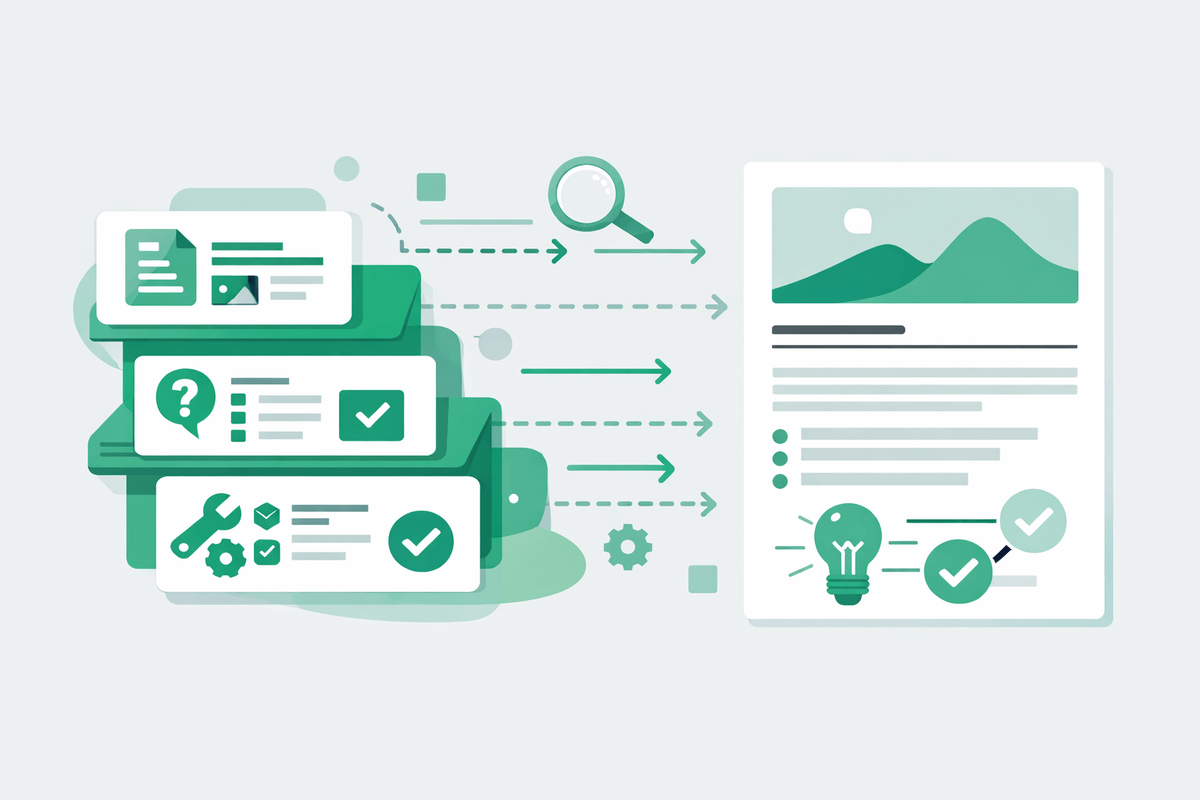
Claude vs ChatGPT vs Perplexity is mostly a retrieval and trust-model difference. Claude (Anthropic’s assistant) is conservative and verification-first, and its citations align tightly with Brave Search results (TechCrunch, March 2025; Profound, 2025). ChatGPT’s citations often mirror Bing’s top organic results (Seer Interactive, 2025). Perplexity is citation-forward and heavily freshness-biased, often surfacing newly published sources.
| Aspect | Claude | ChatGPT | Perplexity |
|---|---|---|---|
| Citation style | Conservative, only when confident | More liberal | Always shows sources |
| Key priority | Accuracy and verification | Comprehensiveness | Freshness and recency |
| Uncertainty handling | Readily acknowledges limits | More confident assertions | Shows multiple sources |
| Best content type | Well-sourced, balanced | Authoritative, established | Fresh, frequently updated |
Operational implication: prioritize Claude-specific optimization when your category depends on trust (enterprise software, compliance, regulated verticals) or when Brave Search visibility is already strong. For broad coverage, keep one playbook and adapt per engine: Claude (verification), ChatGPT (Bing-aligned authority), Perplexity (fresh updates + community validation). Related guides: how to get cited by ChatGPT and Perplexity SEO optimization insights.
Which Industries Benefit Most From Claude Optimization?
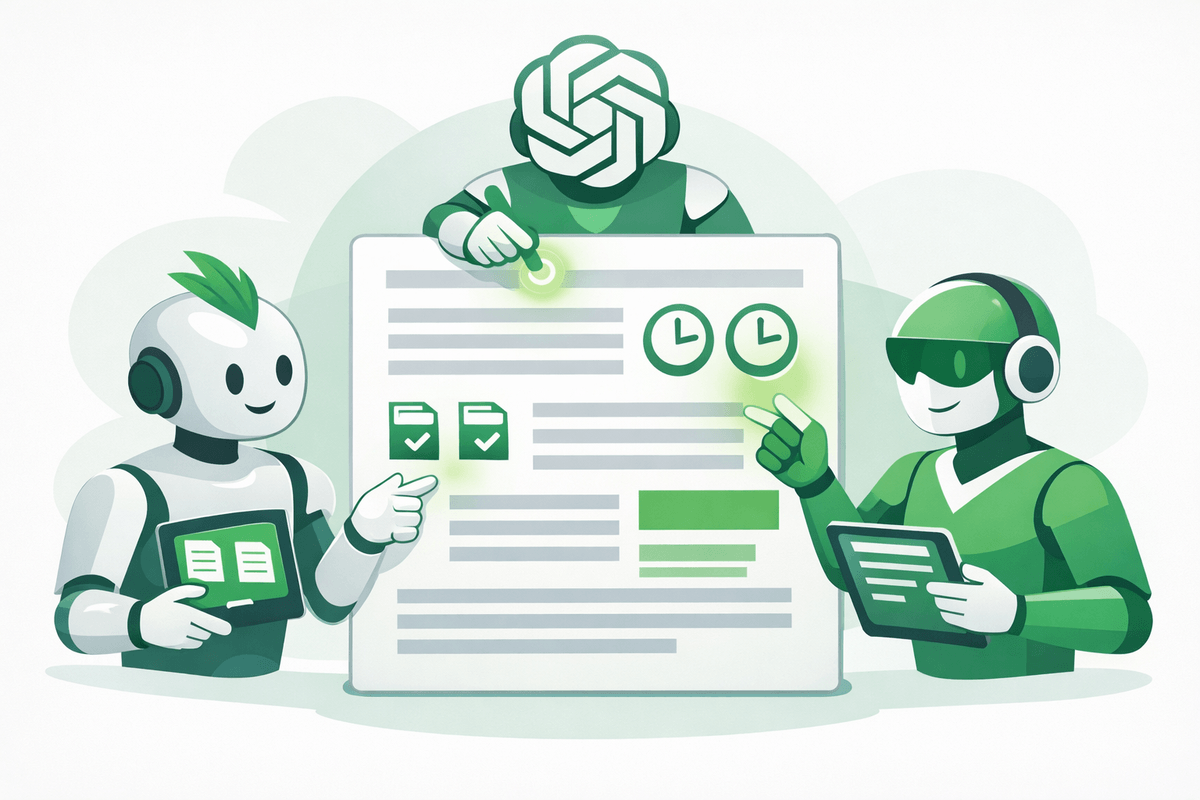
Claude optimization matters most in categories where trust, nuance, and source quality change decisions. That is especially true for YMYL (Your Money or Your Life) topics—content that can affect health, finances, or legal outcomes—because Claude is more cautious about harm and overconfident claims.
- B2B SaaS: Claude is influential in enterprise research workflows. Format: integration guides + security pages. Caution: avoid vague “best-in-class” claims; show benchmarks and SOC 2 details.
- Cybersecurity: Claude prefers verifiable threat-model language. Format: incident response runbooks. Caution: date CVEs and link primary advisories.
- Finance: Claude avoids definitive investing advice. Format: educational explainers. Caution: include risk disclaimers and jurisdiction notes (e.g., FINRA investor guidance).
- Healthcare: Claude is strict on medical claims. Format: condition/treatment explainers with citations. Caution: avoid promotional language; align with FDA/HIPAA constraints where relevant.
- Legal: Claude emphasizes jurisdiction and uncertainty. Format: “what to ask your lawyer” checklists. Caution: clearly state content is not legal advice.
For B2B categories specifically, see geo-targeting strategies for B2B industries.

How Do You Build Claude-Ready Authority?
Claude-ready authority is E-E-A-T (Experience, Expertise, Authoritativeness, Trustworthiness) that can be validated across the open web. Claude evaluates brands as entities, not just pages, so consistent naming, consistent claims, and consistent sourcing matter.
Expert Signals
- Author bios with relevant credentials
- Track record of accurate content
- Recognition from authoritative sources
- Published expertise (books, papers, speaking)
Third-Party Validation
- Citations from other authoritative sources
- Coverage by reputable publications
- Academic or industry recognition
- Expert endorsements
Consistent Quality
- No significant factual errors across your site
- Regular updates to maintain accuracy
- Transparent corrections when needed
- Consistent editorial standards
Earned media vs brand-owned content: Claude tends to trust balanced ecosystems—brand docs plus third-party validation. Build review and profile presence on G2, Capterra, and Trustpilot (review aggregators) and keep your brand/entity description consistent. Oltre AI’s work in AI visibility measurement is useful here because it treats “being cited” as an authority signal you can track and improve.
How Do You Measure and Improve Claude Citation Performance?
Measure Claude performance by citations and coverage, not rankings alone. The most useful metrics are: (1) citation presence (yes/no), (2) citation share (how often you’re cited across a prompt set), (3) query coverage (how many sub-queries you win), (4) source diversity (how many domains support key claims), and (5) freshness cadence (how often pages are updated).
| Timeline | Owner | Actions | Output | Success metric |
|---|---|---|---|---|
| Days 0–30 | Content + SME | Audit top pages; add dates, primary sources, definitions | 10–20 “Claude-ready” pages | Higher citation presence in test prompts |
| Days 31–60 | SEO + Dev | Add JSON-LD (Article/FAQPage/HowTo); fix heading hierarchy | Structured templates | More consistent citations; fewer “uncertain” answers |
| Days 61–90 | Marketing | Build earned media; add review profiles; publish comparison pages | Authority footprint | Improved citation share and query coverage |
How to test: run a stable prompt set monthly (20–50 prompts) in Claude and record cited URLs, brands mentioned, and missing subtopics. Track systematically with spreadsheets or AI citation tracking methodologies. Complement with Google Search Console for crawl/indexation signals and with Brave Search visibility checks for the same queries.
Troubleshooting when Claude won’t cite you: stale stats (no dates), weak source diversity (one domain only), thin sections (no standalone answers), broken H2/H3 hierarchy, missing schema, or overly promotional language. Fix those first; they are the most common “citation blockers.”
Takeaway: if a page is verifiable enough for Claude, it typically performs well across other AI engines too.
FAQ: Claude Citation Optimization
How long does Claude optimization take to show results?
Claude optimization usually shows early movement in 30–60 days if you update existing high-authority pages first. The fastest wins come from adding dated statistics, primary-source citations, and a visible “Last updated” timestamp. New pages often take longer because Brave Search must discover and rank them.
Does Claude use Brave Search?
Yes. Claude uses Brave Search (Brave Software’s search engine) for web retrieval, which has been reported by TechCrunch (March 2025) and aligns with Anthropic’s published subprocessor details. For practical SEO, that means Brave visibility and clean, machine-readable pages matter more for Claude than generic keyword tuning.
What schema markup helps Claude citations most?
Article, FAQPage, and HowTo schema (implemented in JSON-LD using Schema.org) are the most consistently useful because they clarify page type, questions, and step structure. Schema does not replace good sourcing, but it improves extraction reliability, especially when combined with clear H2/H3 headings and concise paragraphs.
Why is my content cited by ChatGPT but not Claude?
ChatGPT often cites more liberally, while Claude is conservative and may refuse to cite if claims feel unsupported or biased. Claude commonly “drops” pages that lack publication dates, rely on secondary summaries, or use promotional language. Fix by adding primary sources, dated stats, and balanced tradeoffs in each section.
Is Claude optimization different for YMYL industries?
Yes. In YMYL categories (health, finance, legal), Claude is stricter about harm and uncertainty. Use credentialed authors, cite official guidance, and include clear disclaimers. Also increase source diversity: pair institutional sources with independent expert analysis. Claude–Brave citation overlap can reach 86.7% (Profound, 2025), so authoritative indexing matters too.