
GEO for B2B: Why Enterprise Companies Need AI Optimization Now
By Damiano Mastrangioli, Co-Founder of Oltre AI | Published December 2025
Last updated: March 17, 2026
Generative Engine Optimization (GEO) is how enterprise B2B companies get cited in AI answers from ChatGPT, Perplexity, Gemini, and Google AI Overviews. If an enterprise brand is not cited, the brand often never enters the AI-generated shortlist that shapes demos and RFPs. In 2025–2026, AI has moved from “research helper” to “vendor discovery layer,” making GEO a pipeline-protection requirement.

Why B2B Enterprise Companies Need GEO Now
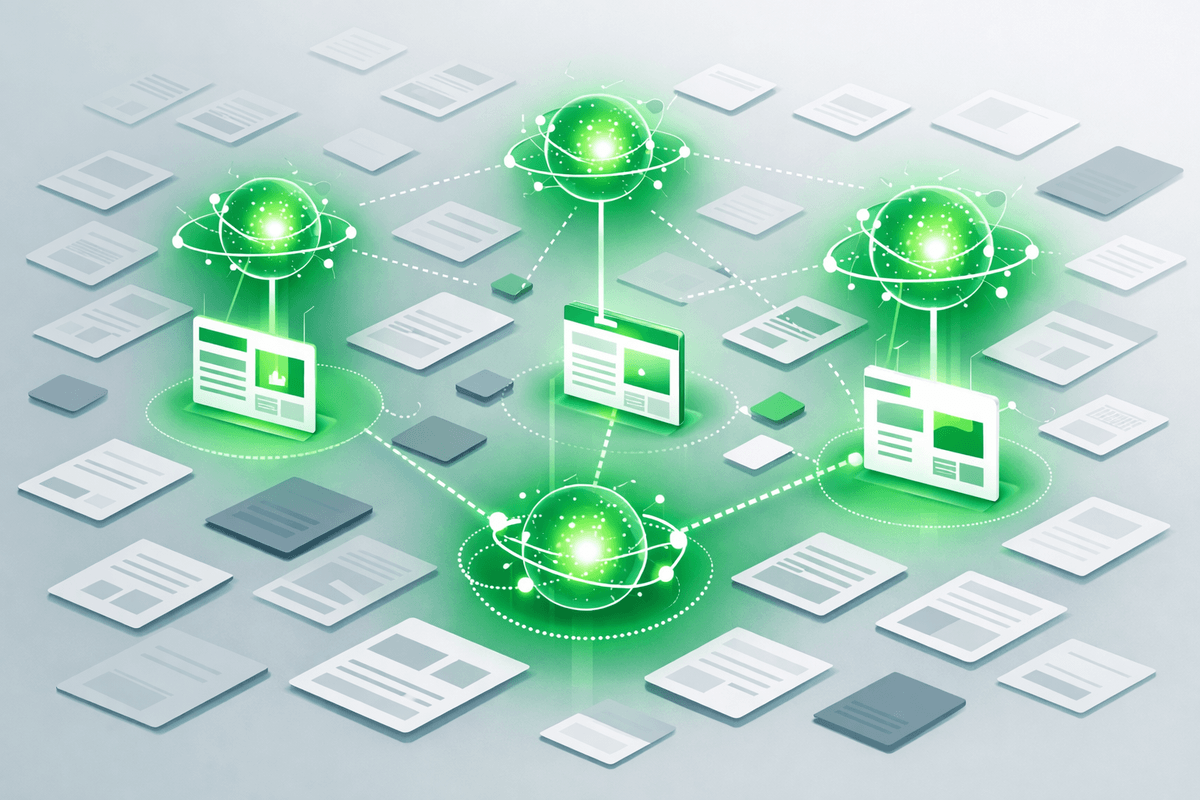
B2B enterprise buyers are already discovering and filtering vendors inside ChatGPT, Perplexity, Gemini, and Google AI Overviews (Google’s generative summary experience). That creates an AI Citation Gap: when an enterprise company is not cited, the company is effectively absent from shortlist formation—before Sales, SDRs, or ABM campaigns ever engage.
“[AI is] rearchitecting the sales process. They influence when buyers engage, how they compare vendors, and what ultimately drives their decisions.”
| Signal (2025–2026) | What it means for enterprise pipeline | Source |
|---|---|---|
| GenAI overtook search for 25% of B2B buyers (Nov 2025) | Discovery shifts upstream into AI answers | DemandGen Report |
| AI-driven traffic to tech/software sites +120% (2024→2025) | More evaluation happens via AI-assisted journeys | Salsify / Adobe |
| 80% trust AI tools at least sometimes (2026) | AI outputs influence internal consensus | Corporate Visions |
For Oltre AI (a B2B SaaS platform for GEO), the practical takeaway is simple: enterprise teams that secure citations early protect category visibility, influence shortlists, and reduce “unknown loss” in pipeline. The window is shrinking as AI answer patterns harden and citation competition intensifies.
Why B2B Is Moving to AI Faster Than B2C
The shift makes sense when you understand B2B buying.
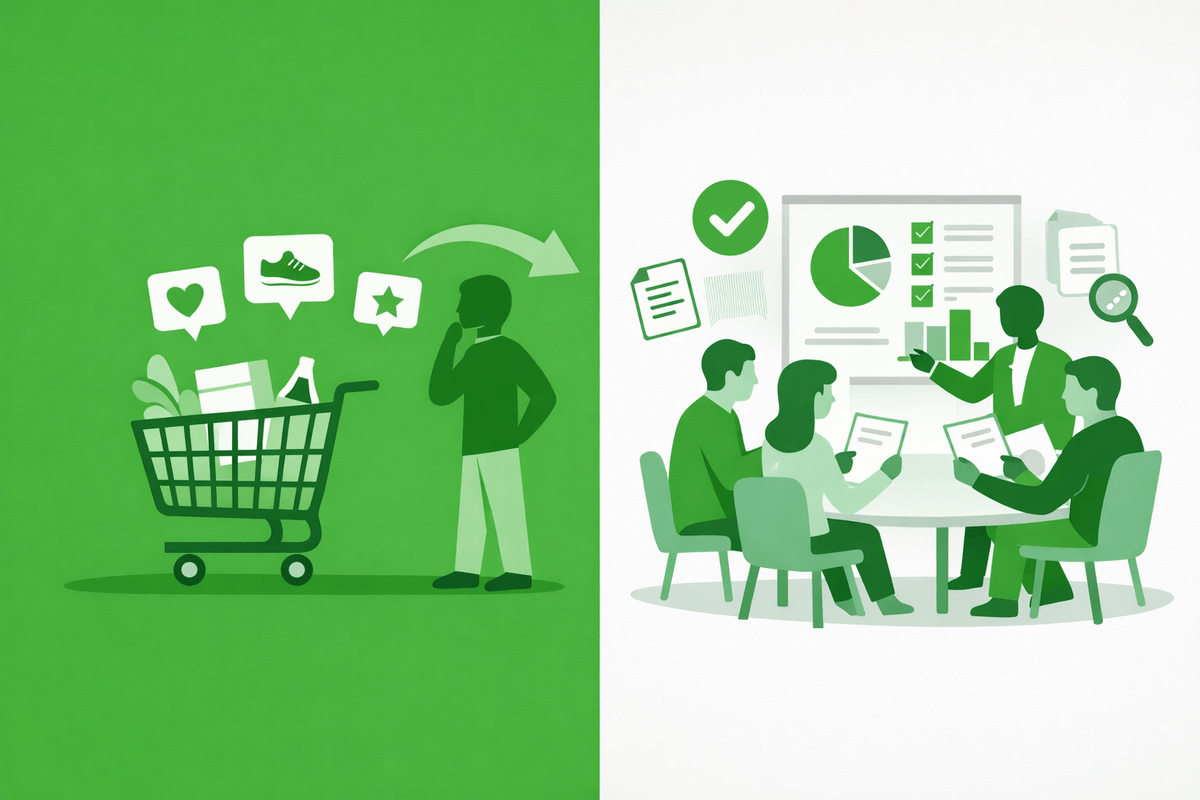
B2C purchases are often impulse or emotional decisions with shorter research cycles and a single decision maker. B2B purchases are the opposite: complex, multi-stakeholder decisions with longer research cycles and higher stakes. AI excels at exactly what B2B buyers need: synthesizing vendor materials, comparing options, and preparing briefings in minutes instead of hours. (See the broader shift in B2B buying behavior and AI trust signals in 2026 data.) Corporate Visions (2026)
The numbers tell the story:
- 94% of B2B buyers use AI at some point in their buying process (2026), but only 39% trust AI chatbots — ALM Corp / Forrester (2026)
- GenAI has overtaken traditional search for 25% of B2B buyers (November 2025) — DemandGen Report (Nov 2025)
- 80% of B2B buyers trust AI tools at least sometimes, up 19 points year over year (2026) — Corporate Visions (2026)
- AI-driven traffic to tech and software sites rose 120% from 2024 to 2025 — Salsify / Adobe (2025)
B2B buyers are time-pressed and understaffed. AI saves research time. That’s why adoption is faster than consumer use—and why GEO requirements now sit directly in the enterprise research path.

How B2B Buyers Use AI Across Discovery, Validation, and Shortlisting
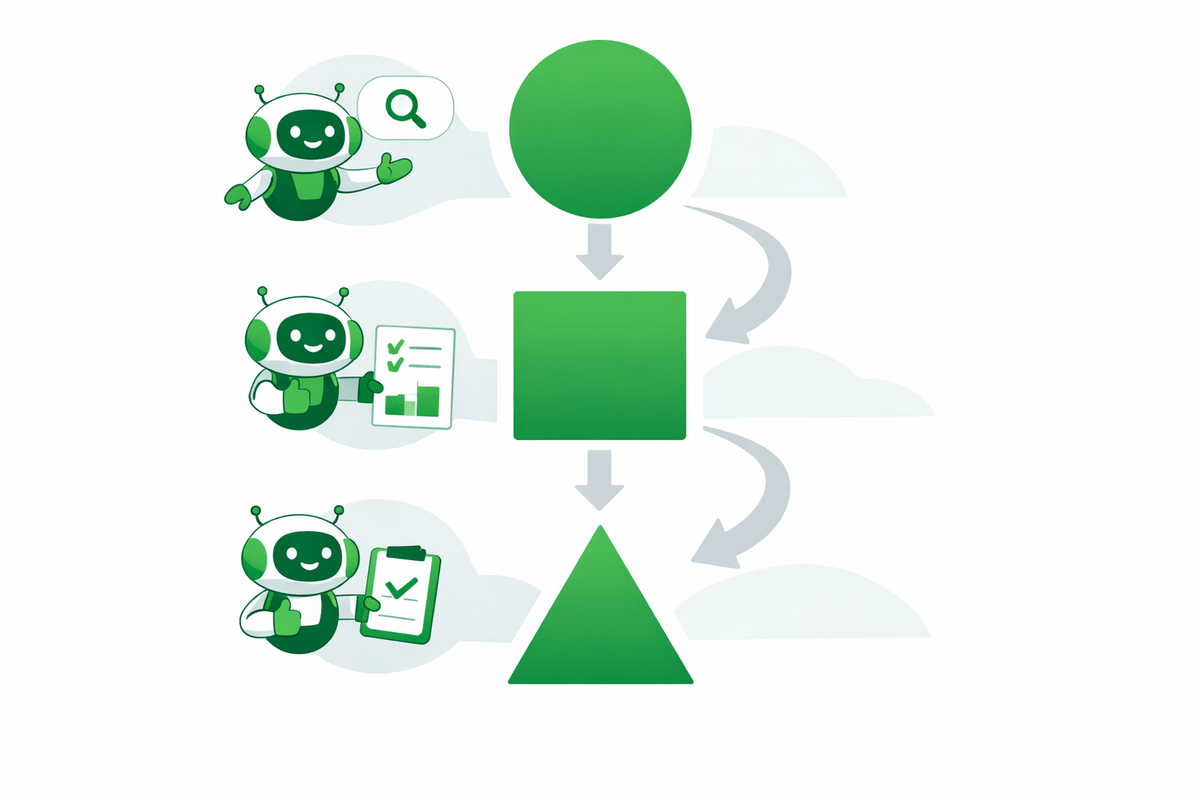
Enterprise buyers use AI for three repeatable jobs: discovery (market mapping), comparison (vendor evaluation), and validation (proof for internal stakeholders). In practice, AI outputs often replace dozens of tabs and become the “first draft” of a shortlist—especially in ChatGPT, Perplexity, Gemini, and Claude.
| Stage (definition) | Common AI prompts | What AI engines tend to cite |
|---|---|---|
| Discovery (category map) | “Best ERP for manufacturing mid-market” | Category pages, analyst coverage, Wikipedia-style definitions |
| Comparison (options & tradeoffs) | “SAP vs Oracle NetSuite for multi-entity” | Comparison pages, implementation guides, pricing explainer pages |
| Validation (proof & risk) | “What do customers say about Vendor X?” | G2, Capterra, case studies with metrics, security docs |
Two behaviors matter for GEO: (1) many AI research sessions end without a click, so “being cited” is the impression; and (2) Perplexity heavily weights community validation, which is why practitioners frequently cross-check AI answers against Reddit threads and peer reviews before booking demos. For tactical guidance on prompts and inclusion patterns, see how to achieve AI citation inclusion on ChatGPT.
How AI Compresses the B2B Buying Journey
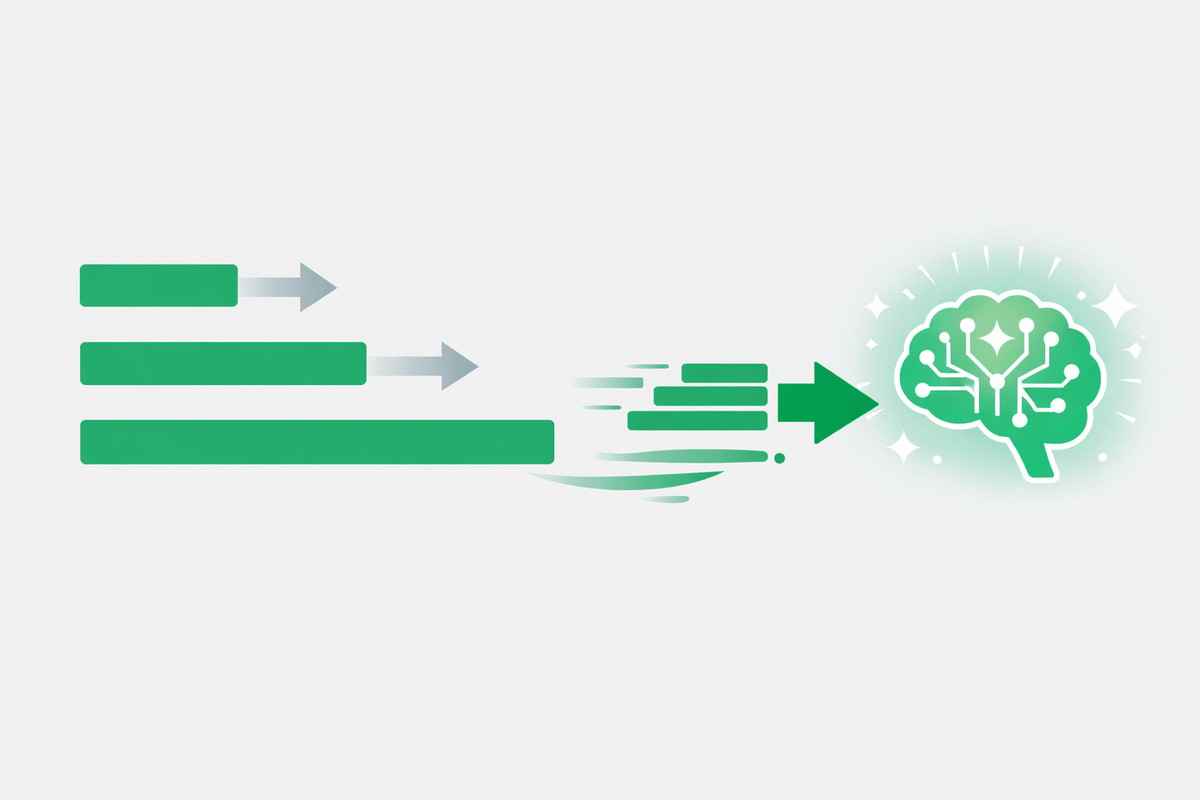
AI is fundamentally compressing how B2B purchases happen.
| Traditional journey | AI-assisted journey |
|---|---|
| Hours of Google searching | Minutes of AI synthesis (often in one session) |
| Multiple website visits | Single AI conversation + 1–2 validation clicks |
| Long shortlists to narrow down | Short, AI-curated shortlists (3–5 vendors) |
| Gradual vendor discovery | Immediate recommendations by category/use case |
The implications are significant:
Shorter research time. What took hours of Google searching and website browsing now takes minutes with AI. This means fewer touchpoints before decisions are made.
Smaller shortlists. AI-synthesized recommendations lead to shorter shortlists. If you’re not mentioned, you may never make the cut.
Earlier commitment. 6sense research shows that by the time buyers contact sellers, 95% already have a winning vendor on their Day One shortlist. AI influences that list before you ever get to pitch.
For enterprise demand generation and sales enablement in HubSpot and Salesforce, this compression means fewer “second chances” to correct positioning. GEO becomes the mechanism that ensures the first AI summary is accurate, current, and favorable to the right use cases.
B2B GEO vs. B2C GEO: What Changes in Strategy, Content, and Measurement
B2B GEO (Generative Engine Optimization for enterprise buying) is proof-driven and committee-aware; B2C GEO is typically preference-driven and conversion-focused. The practical difference is that B2B AI answers must survive scrutiny from Security, Finance, IT, and the business owner—especially in categories like cybersecurity, ERP, and fintech.
| Dimension | B2C GEO | B2B enterprise GEO |
|---|---|---|
| Query complexity | Simple “best X” | Use case + constraints (“SOC 2”, “SSO”, “SAP”) |
| Buyer stakes | Low-to-medium | High (risk, compliance, switching costs) |
| Most-cited assets | Reviews, lists, pricing | Analyst reports, case studies, implementation docs |
| Proof requirements | Ratings + social proof | Metrics, security posture, peer validation (G2/Capterra) |
| Sales cycle length | Days | Weeks to quarters |
| Success metrics | Clicks, conversions | Mentions, influenced opps, assisted pipeline |
| Example | “Best headphones” | “Best ERP for multi-subsidiary manufacturing” |
“AI accelerates discovery. It does not replace the trust infrastructure that actually closes deals.”
That’s why enterprise GEO content is not “more blog posts.” It is tighter category definitions, fair competitor comparisons, and validation assets that AI can cite without hallucinating details. For deeper context, see differences between GEO and SEO for B2B enterprises.
How GEO Fits Into SEO, Content, Analyst Relations, Reviews, and Demand Gen
GEO does not replace SEO (Search Engine Optimization) or content marketing; GEO sits across them so AI systems can retrieve, summarize, and cite the right proof. Enterprise GEO also depends on analyst relations (coverage from firms like Gartner or Forrester), review sites (G2, Capterra, Gartner Peer Insights), and demand generation (programs that convert interest into pipeline).
| Function | What it already contributes | What GEO changes |
|---|---|---|
| SEO | Ranked pages + crawlability | Chunkable answers, entity clarity, semantic completeness |
| Content | Guides, case studies | Answer capsules, comparisons, dated stats, refresh cycles |
| Reviews | Social proof | Higher citation probability in ChatGPT/Perplexity results |
| Analyst relations | Authority signals | Third-party validation AI engines trust |
| Demand gen | Capture intent | Align assets to AI prompts that create shortlists |
Rollout sequence (enterprise-friendly):
- Own category positioning: publish a definitive category page and evaluation framework.
- Optimize comparison content: fair “vs” pages with honest pros/cons and use-case fit.
- Build third-party presence: improve G2/Capterra profiles; pursue industry coverage.
- Target specific use cases: “[category] for [industry]” and “How [role] uses [category].”
First 30 days (high impact): add answer capsules to your top product pages, implement FAQPage schema on key pages, and establish a monthly refresh cadence for stats and case studies. Technical support matters: clean internal linking, fast crawlable HTML, and structured sections help RAG-style retrieval in Google AI Overviews and Gemini. For platform specifics, see guidelines for appearing in Google AI Overviews, best practices for Google AI Mode visibility, and SEO optimization for Perplexity AI.
For Google/Gemini visibility, a complementary tactic is referencing official video demos (often hosted on YouTube) inside product documentation pages, because video is frequently surfaced and cited in Google’s AI ecosystem.
How to Measure B2B GEO Impact Beyond Traffic
B2B GEO should be measured across visibility, influence, and pipeline—not clicks alone. Zero-click AI sessions still create measurable commercial value because citations change what buyers believe, what they shortlist, and what they bring into RFPs.
Brand Awareness Metrics
| Metric | How to Track |
|---|---|
| AI citation frequency | Test category queries monthly in ChatGPT, Perplexity, Claude |
| Share of voice | Compare your mentions vs. competitors for same queries |
| Branded search trends | Monitor Google Search Console for branded query growth |
Pipeline Metrics
| Metric | How to Track |
|---|---|
| AI referral traffic | GA4 referrals from chat.openai.com, perplexity.ai, claude.ai |
| Conversion rate | Compare AI traffic conversion vs. other channels |
| Lead quality | Score leads from AI-sourced visitors vs. others |
Revenue Attribution
- Track deals where AI was part of the discovery journey
- Survey new customers on how they discovered you
- Analyze win rates when AI visibility is established
Simple scorecard (works in HubSpot or Salesforce): GEO Impact Score = (Share of Voice in AI answers × 0.4) + (Branded search lift × 0.3) + (AI-influenced opportunities ÷ total opportunities × 0.3). Track by platform—ChatGPT, Perplexity, Gemini, Grok, Google AI Overview, and Claude—because each system cites differently. For a practical workflow, use tracking AI citation impact for B2B GEO.
The Competitive Window for B2B GEO Is Open but Narrowing
Enterprise brands that earn AI citations early build durable category authority that compounds over time. The opposite is also true: if competitors become the “default cited sources” in Google AI Overviews and Perplexity, displacement gets harder as buyers repeat the same prompts and AI systems reuse trusted sources.
Two dynamics make urgency rational, not hype. First, citation sets rotate quickly: AI answers can change month to month, with studies reporting large portions of citations being replaced across runs (Ahrefs, Nov 2025). Second, buyer behavior is shifting now: GenAI overtook traditional search for 25% of B2B buyers (Nov 2025), and AI-driven traffic to tech/software sites increased 120% from 2024 to 2025. DemandGen Report (Nov 2025) and Salsify / Adobe (2025)
The brands that become AI-recommended in their categories will:
- Capture mindshare before competitors wake up
- Build citation authority that compounds
- Become the default option buyers discover
The window to establish this advantage is open now. Enterprise teams should secure authority signals (reviews, analyst mentions, customer evidence) and publish structured, refreshable content before AI shortlist patterns harden. If the goal is to operationalize that work, start with generative engine optimization strategies and platform-specific guidance like strategies to secure Gemini AI citations.
Get Your B2B Brand Cited by AI
Oltre AI helps B2B companies track their visibility across ChatGPT, Perplexity, Claude, and more. See where you’re being cited, monitor competitors, and optimize your AI presence.
FAQs
How long does it take to see results from an enterprise GEO strategy?
Most enterprise teams see early movement in citations within 4–8 weeks when they ship comparison pages, refresh proof assets, and improve review profiles. Larger gains typically take a full quarter because AI systems need to re-crawl content and buyers need time to repeat prompts during active evaluations.
What content gets cited most often for B2B software shortlists?
AI engines most often cite category definitions, “vs” comparisons, implementation guides, and third-party validation like G2 and Capterra reviews. Case studies with specific metrics and security documentation also perform well because they help buyers justify decisions to Finance and Security stakeholders.
Is GEO worth it if AI research is “zero-click” and doesn’t drive traffic?
GEO is worth it because citations influence shortlists even without clicks. When buyers rely on AI summaries, the cited brands earn mindshare and get evaluated, while uncited brands are filtered out. The measurable impact usually shows up as branded search lift and higher demo intent quality.
What’s the minimum measurement setup for B2B GEO attribution?
The minimum setup is a monthly AI query set (category, competitor, and use-case prompts), a share-of-voice tracker, and a CRM field for “AI-assisted discovery.” Pair that with Google Search Console branded query trends and GA4 AI referrals to connect citations to influenced opportunities.
Which buyer-behavior stat best explains why GEO is urgent right now?
GenAI overtaking traditional search for 25% of B2B buyers (Nov 2025) is the clearest urgency signal. It indicates vendor discovery is moving into AI tools, which means enterprise brands that are not cited can miss shortlist inclusion before Sales engagement even begins.