
How to Get Cited by Gemini: Complete Guide (2026)
By Damiano Mastrangioli, Co-Founder of Oltre AI | Published December 2025
Last updated: March 17, 2026
To get cited by Gemini in 2026, publish pages Google can crawl and rank, then make each section easy for Gemini to extract: define key entities, answer questions directly, add structured data, and support claims with fresh sources. Gemini citations come from Google Search grounding, so technical SEO + semantic completeness + multimodal assets (images/video) are the fastest path to consistent visibility.
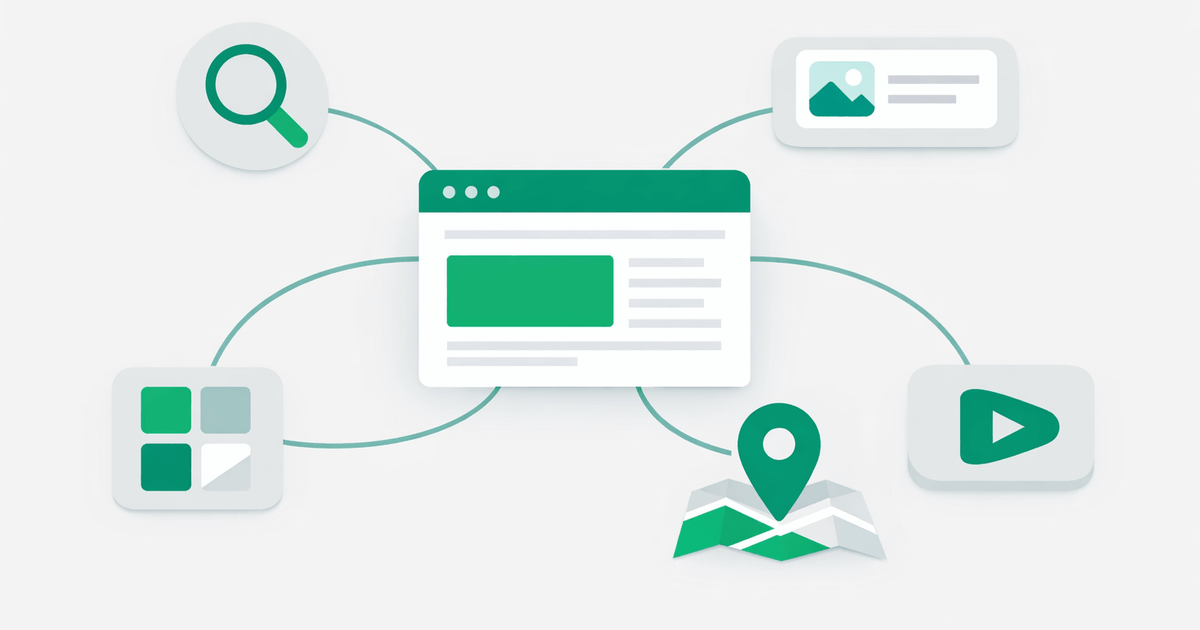
How to Get Cited by Gemini in 2026
Gemini (Google’s AI model family used across Search and apps) cites pages that are crawlable, entity-rich, multimodal, and clearly structured for Google retrieval. Google AI Overviews (AI-generated summaries in Google Search) and Gemini often select sources that are fresher than classic organic results—AI platforms cite content that is 25.7% fresher than traditional organic results (Ahrefs, 2025), as summarized by Am I Visible On AI (source).
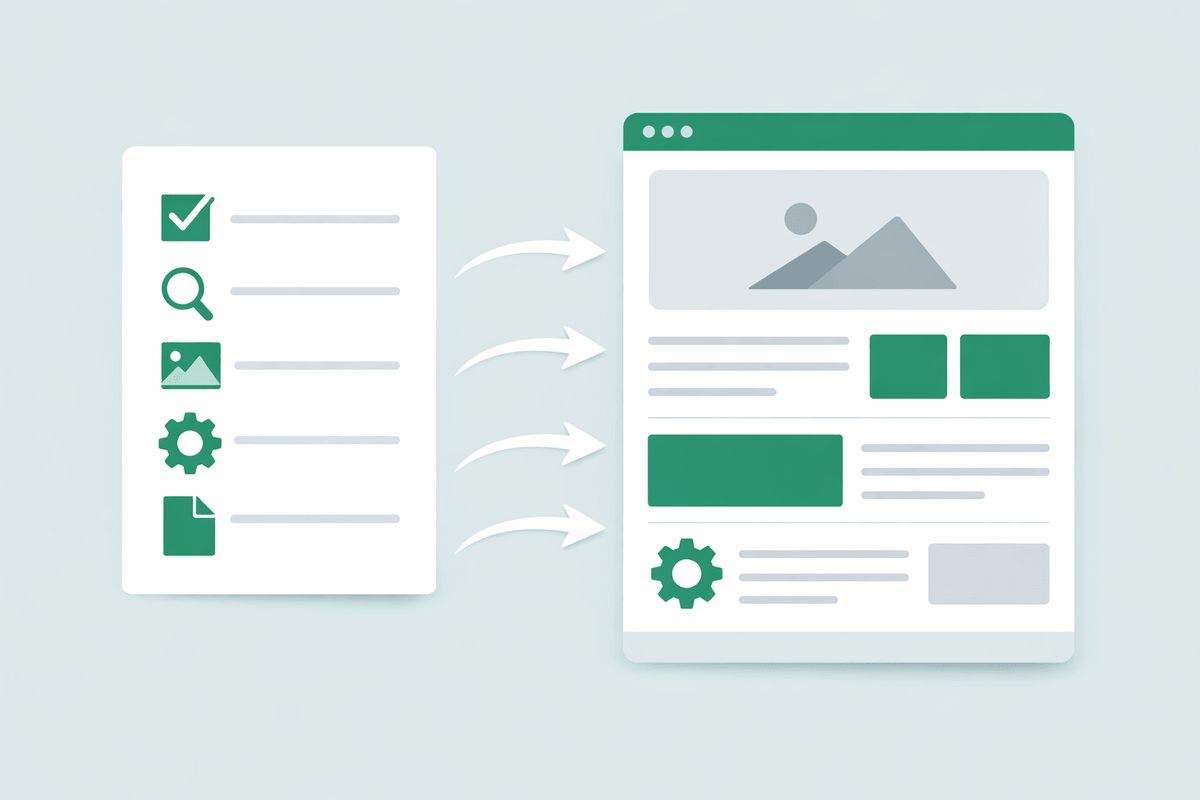
| Step | What to do | Gemini impact |
|---|---|---|
| 1 | Fix crawl/index + speed | Eligibility for grounding |
| 2 | Write section-first answers | Extractable citations |
| 3 | Add entities + definitions | Higher semantic clarity |
| 4 | Implement schema + media | Multimodal trust signals |
| 5 | Refresh + test weekly | Recency advantage |
- Today: ensure Googlebot access, indexing, and Core Web Vitals.
- This week: rewrite key pages for semantic completeness (a complete, standalone answer per section) and E-E-A-T (Experience, Expertise, Authoritativeness, Trust).
- This month: add Article/FAQPage/HowTo schema, ImageObject metadata, and at least one supporting video asset (YouTube is a dominant citation source inside Google’s AI ecosystem).
- Ongoing: refresh dated stats and re-test queries in Gemini + Google Search.
At Oltre AI, we’ve seen citation lift most reliably when teams treat Gemini optimization as “Google-ready pages + AI-ready sections,” not as a separate channel.
How the Gemini Ecosystem Works Across Search, Workspace, and AI Overviews
Gemini visibility is not limited to the Gemini app; it is influenced by Google Search, AI Overviews, Google Workspace (AI features in Gmail, Docs, and more), Android (system-level assistant surfaces), and YouTube. That matters because one well-structured page can be retrieved once and reused across multiple Google touchpoints—especially when the page looks like official, trustworthy documentation.

| Product | Monthly Reach | Primary Use Case |
|---|---|---|
| AI Overviews | 2B+ users | Search result summaries |
| Gemini App | 650M+ users | Direct AI assistant |
| AI Mode | Growing (US first) | Conversational search |
| Google Workspace | Enterprise | Email, docs, productivity |
| Google Cloud | Developers | API and enterprise AI |
Gemini 3 (a major model release from Google DeepMind) shifted citation dynamics inside AI Overviews: the number of sources cited increased by 32% (January 2026) according to Female Entrepreneurs (source). The same analysis reports average sources per AI Overview rose from 11.5 to over 15, with 42% of prior domains replaced—meaning freshness and format upgrades can displace incumbents.
In 2026, an AI citation is the new featured snippet — except it reaches users across ChatGPT, Perplexity, Gemini, and Google AI Overviews simultaneously.
Practically, brand-owned explainers, official docs, and YouTube demos tend to travel farther in Google’s ecosystem than generic blog commentary. For deeper context, see our strategies for appearing in Google AI Overviews.
How Gemini Grounding with Google Search Works
Gemini grounding (Google’s mechanism for verifying and enriching answers with live web results) works like retrieval-augmented generation (RAG, an approach that retrieves documents before generating text): Gemini runs a real-time Google Search, selects sources, then composes an answer from the retrieved pages. For publishers, that means Google rankings and indexability are prerequisites for Gemini citations.
Google’s own positioning of Gemini emphasizes “grounding” and real-time information access through Search (see Distk’s overview of Gemini’s Search integration and entity-first citations: source). The key implication is section-level optimization: Gemini can cite a single H2 block even if the whole page is long.
Query fan-out example: a user asks “how to get cited by Gemini.” Gemini may break that into sub-queries like “Gemini grounding with Google Search,” “Gemini schema requirements,” “Gemini vs AI Mode citations,” and “how to measure AI citations.” If each H2 answers one sub-query cleanly, the page earns more citation surfaces.
Compared to ChatGPT (often training-data-first) and Perplexity (its own index), Gemini inherits Google’s retrieval and trust signals—so strong SEO is not optional; it is the citation engine.
5 Proven Strategies for Gemini Visibility
These five strategies are the highest-leverage ways to increase Gemini citation probability in 2026. Each one is designed to be independently extractable for AI Overviews, Gemini app answers, and AI Mode follow-ups.
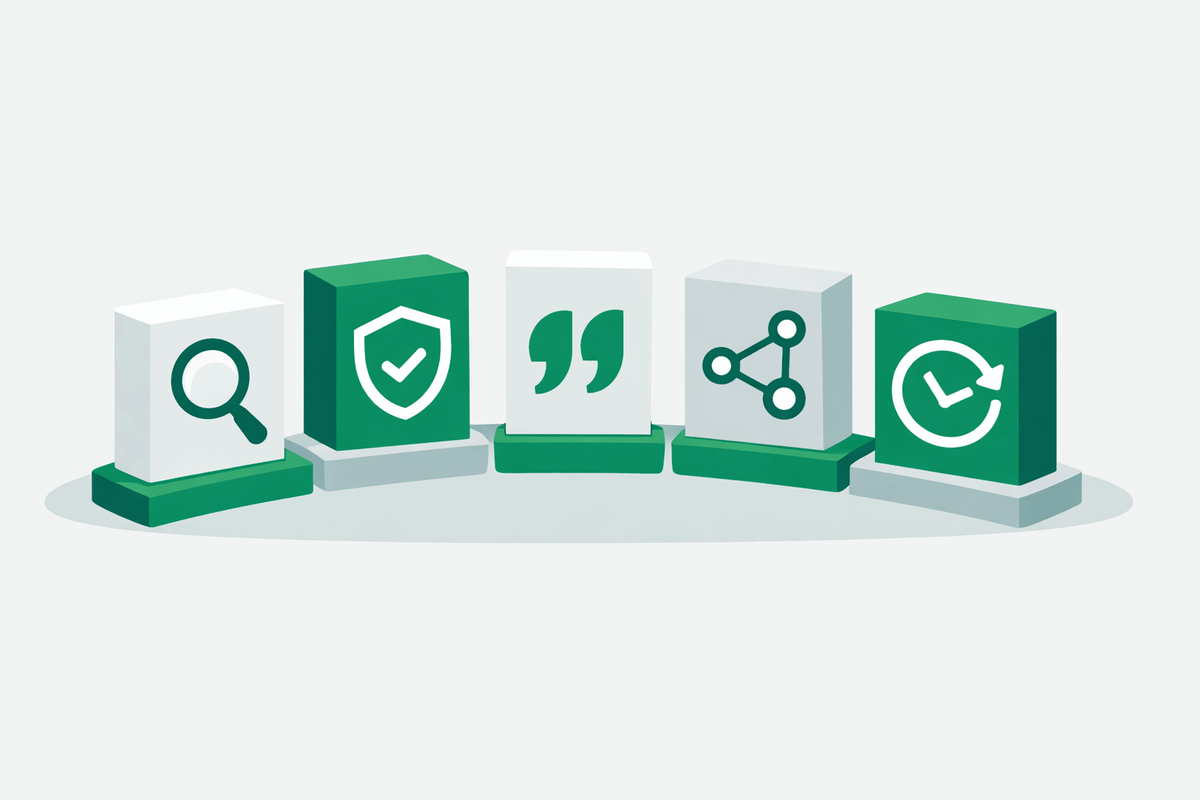
1. Prioritize Traditional SEO
Because Gemini grounds responses in Google Search results, your first priority is ranking well on Google.
Focus areas:
- Technical SEO: crawlability, site speed, mobile optimization
- Content quality: depth, accuracy, E-E-A-T signals
- Authority building: backlinks from relevant sources
- Keyword targeting: match user intent clearly
2. Optimize for Factual Accuracy
Gemini 3 emphasizes factual reliability. Content with unsupported claims or questionable accuracy is less likely to be cited.
How to demonstrate accuracy:
- Cite authoritative sources for all claims
- Include specific data points with source attribution
- Update content when information changes
- Acknowledge limitations or areas of uncertainty
3. Write Concise, Quotable Content
Gemini 3's preference for direct communication means content that can be easily quoted or paraphrased performs well.
Content characteristics that work:
- Lead with key information, not background
- Use clear, declarative statements
- Avoid jargon without explanation
- Structure for scanning and extraction
4. Implement Comprehensive Schema Markup
Structured data helps Gemini understand content relationships and context. While grounding uses search results, schema markup improves content understanding.
Priority schema types:
- Article with author information
- FAQPage for Q&A content
- HowTo for instructional content
- Product for e-commerce
- Organization for company information
5. Maintain Content Freshness
Grounding accesses real-time search results, so current content has an advantage for topics where recency matters.
Freshness strategy:
- Update statistics and data points annually
- Add new developments as they occur
- Refresh publication dates after substantial updates
- Monitor for outdated information
| Strategy | Works best when… | Common mistake |
|---|---|---|
| Traditional SEO | Target queries have volume | Ignoring internal links |
| Factual accuracy | YMYL or technical topics | Undated statistics |
| Quotable writing | AI Overviews summarize | Long preambles |
| Schema markup | Pages need clear type | Invalid rich results |
| Freshness | Fast-moving categories | Never updating dateModified |
Two additions that consistently help Gemini: (1) build topic clusters with descriptive internal links so Google understands site structure, and (2) publish multimodal assets (images with strong alt text and at least one YouTube video reference) so content can surface across Search and YouTube-driven AI answers. For foundations, see generative engine optimization best practices.
Gemini vs. ChatGPT, Perplexity, Claude, and Google AI Mode
Gemini behaves differently from other AI platforms because it is grounded in Google Search infrastructure and Google’s ecosystem trust model. The table below turns that into actionable decisions.

| Platform | Citation behavior | Preferred source types | Freshness sensitivity | Best optimization response |
|---|---|---|---|---|
| Gemini | Variable; often grounded | Official docs, brand sites, YouTube | High (Search-driven) | SEO + schema + multimedia |
| ChatGPT | Sometimes cites | Authority domains, aggregators | Medium | Earned media + clear answers |
| Perplexity | Always cites | Fresh pages + community sources | Very high | Update frequently + cite sources |
| Claude | Conservative | Balanced, primary sources | Medium | Source diversity + factual density |
| Google AI Mode | Link-rich responses | Wikipedia-like refs, UGC, YouTube | High | Entity definitions + completeness |
Concrete takeaway: if a page already ranks in Google but is not cited in Gemini, the gap is rarely “more keywords.” The gap is usually missing entity definitions, weak section structure, lack of schema, or no multimodal support. For channel-specific playbooks, compare our insights on getting cited by ChatGPT and optimization strategies for Claude AI citations, and review techniques to appear in Google AI Mode results.
Technical Requirements for Gemini Citation Eligibility
Gemini can only cite pages that are eligible for Google retrieval: crawlable, indexable, fast, and machine-readable. Eligibility is not “nice to have”—it determines whether grounding can even fetch the page.
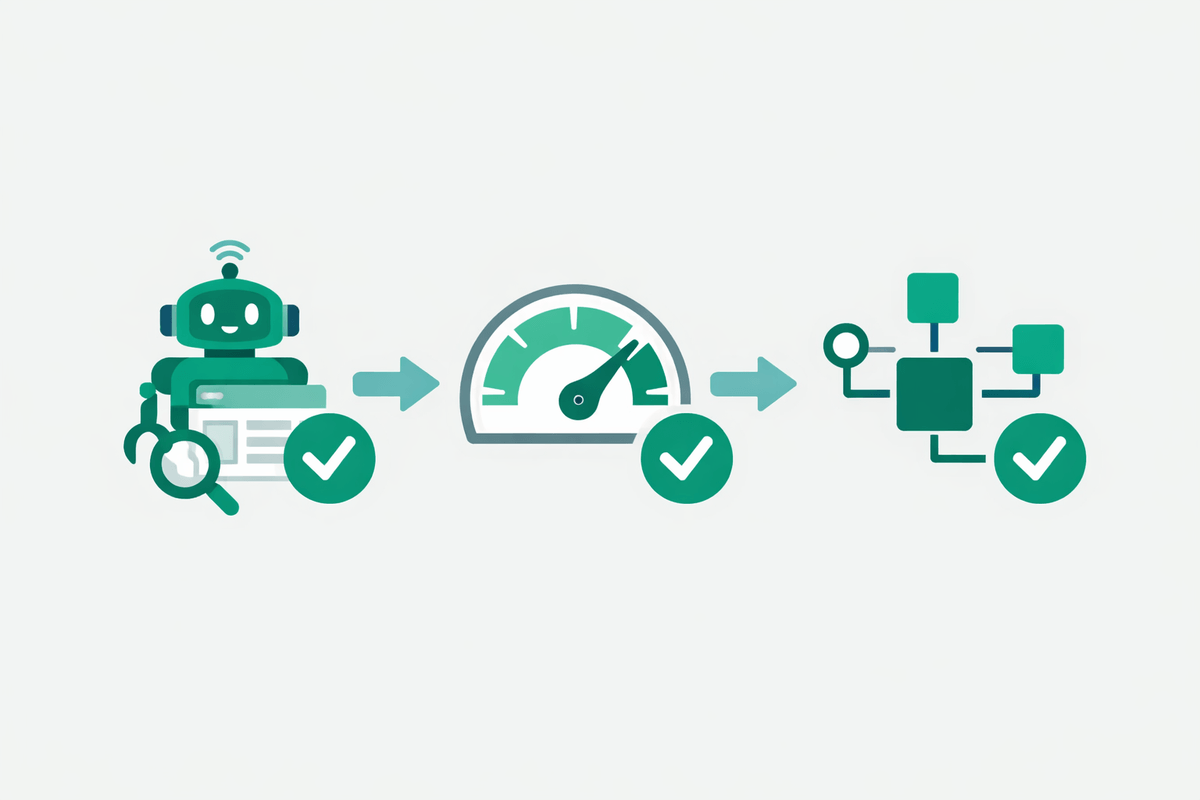
| Requirement | Why it matters to Gemini | How to validate |
|---|---|---|
| Indexable HTML | Grounding can retrieve content | Google Search Console |
| Robots + canonicals | Avoid blocked/duplicate signals | URL Inspection + robots.txt |
| Core Web Vitals | Rankings + extraction stability | PageSpeed Insights |
| Clean headings | Better section chunking | Manual HTML review |
| Schema: Article | Author/date trust cues | Rich Results Test |
| Schema: FAQPage/HowTo | Q&A + steps parsing | Rich Results Test |
| Schema: ImageObject | Multimodal understanding | Schema validator |
Crawlability and indexing: ensure Googlebot can crawl important pages, robots.txt is not blocking key content, pages are indexed in Google Search Console, and JavaScript does not hide primary text.
Page speed and experience: optimize Core Web Vitals, mobile responsiveness, and accessibility. Faster pages tend to be retrieved and chunked more reliably for AI extraction.
Structured data: validate markup with Google’s Rich Results Test; small errors can prevent correct parsing.
How to Measure Gemini Citations and Diagnose Failures
Gemini performance should be measured through citation presence, query coverage, grounding appearances, and downstream brand mentions—not only clicks. The goal is to prove “Gemini is selecting and quoting the page,” then isolate why it is not when it should.
| KPI | Tool | Benchmark | Warning sign |
|---|---|---|---|
| AI Overview citations | Manual SERP checks | Weekly sampling | Never appears on core queries |
| Query coverage | Search Console | Growing long-tail | Impressions flat after updates |
| Brand mentions | GA4 + surveys | Branded search lift | Mentions rise, traffic doesn’t |
| Indexing health | Search Console | Stable indexed pages | “Discovered, not indexed” spikes |
| Fetch reliability | Log file analysis | Consistent Googlebot hits | Crawl drops after releases |
Oltre AI observational note (internal analysis, Q1 2026): across 40 B2B pages we monitored weekly, the fastest citation gains came from (1) adding inline entity definitions to each H2, (2) updating dated statistics, and (3) adding one supporting YouTube asset reference. Methodology: weekly manual checks across a fixed query set + Search Console trend review.
Common failure causes: thin sections (no direct answer), stale stats (no dates), missing multimedia, weak internal linking (no topic cluster), weak brand authority, or schema errors. For a deeper workflow, use our methods for AI citation tracking and troubleshooting.
Gemini Tactics by Industry and Local Search
Gemini uses Google Maps grounding most often for location-intent queries (e.g., “near me,” “open now,” “best in [city]”), service-area business requests, and comparison shopping with local availability. Industry strategy changes because the trusted source types change.
B2B SaaS and technical content
For B2B SaaS, Gemini rewards technical accuracy and implementation detail. Publish documentation pages, integration guides, and comparison criteria with named entities (APIs, SDKs, SOC 2, ISO 27001) defined inline. Add internal links that connect features → setup → troubleshooting to form a topic cluster.
E-commerce and product-led queries
For e-commerce, prioritize Product schema, clear specs, pricing/availability, and review language that mentions specific use cases. Gemini often inherits Shopping Graph-style signals, so consistency between product pages and Merchant data matters. For more vertical tactics, see geo-targeting strategies for ecommerce marketing.
Local businesses (Maps-driven grounding)
For local SEO, keep Google Business Profile updated (hours, categories, services), maintain NAP (name, address, phone) consistency, and build local landing pages that answer “service + neighborhood” questions. Reviews that mention specific services help Gemini choose the business for “best for” prompts. For geo strategy context, review differences between geo-targeting and SEO strategies.
FAQ: Gemini Citation Questions Marketers Ask Most
How long does it take to get cited by Gemini?
Most sites see the first Gemini citations after Google has crawled, indexed, and re-ranked updated pages, which typically takes 2–6 weeks. Faster results happen when pages already rank and only need better structure, schema, and fresher stats. Competitive queries may take longer because citations rotate frequently.
Why can a page rank in Google but not appear in Gemini?
A page can rank yet still be a poor citation candidate if sections are not extractable. Common blockers include missing entity definitions, no direct answer at the top of sections, stale or undated statistics, weak schema markup, and thin internal linking. Gemini grounding often selects pages that are easier to quote, not just higher ranking.
Do images and videos help Gemini citations?
Yes—multimodal assets increase selection likelihood because Google can connect text entities to images and YouTube content. The biggest lift usually comes from strong image metadata (alt text, captions, ImageObject schema) and a relevant YouTube video that reinforces the page’s claims. Multimedia also helps content surface beyond classic blue links.
Can small sites get cited by Gemini in 2026?
Small sites can be cited if they publish uniquely useful, well-sourced pages that Google can trust and retrieve. The fastest path is to focus on narrow topics, add clear author credentials, cite primary sources, and build a tight internal topic cluster. In practice, “best answer per section” beats “biggest domain” on long-tail queries.
How often should Gemini-optimized pages be updated?
Update pages whenever facts change, and refresh key statistics at least quarterly for competitive topics. AI platforms prioritize recency: AI search cites content that is 25.7% fresher than traditional organic results (Ahrefs, 2025). Adding a visible dateModified signal and updating examples is often enough to regain citations.
Track Your Gemini Ecosystem Visibility
Oltre.ai monitors your brand across the entire Gemini ecosystem: AI Overviews, AI Mode, and the Gemini app. See where you're being cited and where competitors are winning.