

Google AI Overviews Optimization: How to Get Featured in 2026
By Luca Pizzola, Founder of Oltre.ai | Published December 2025
Last updated: March 2026
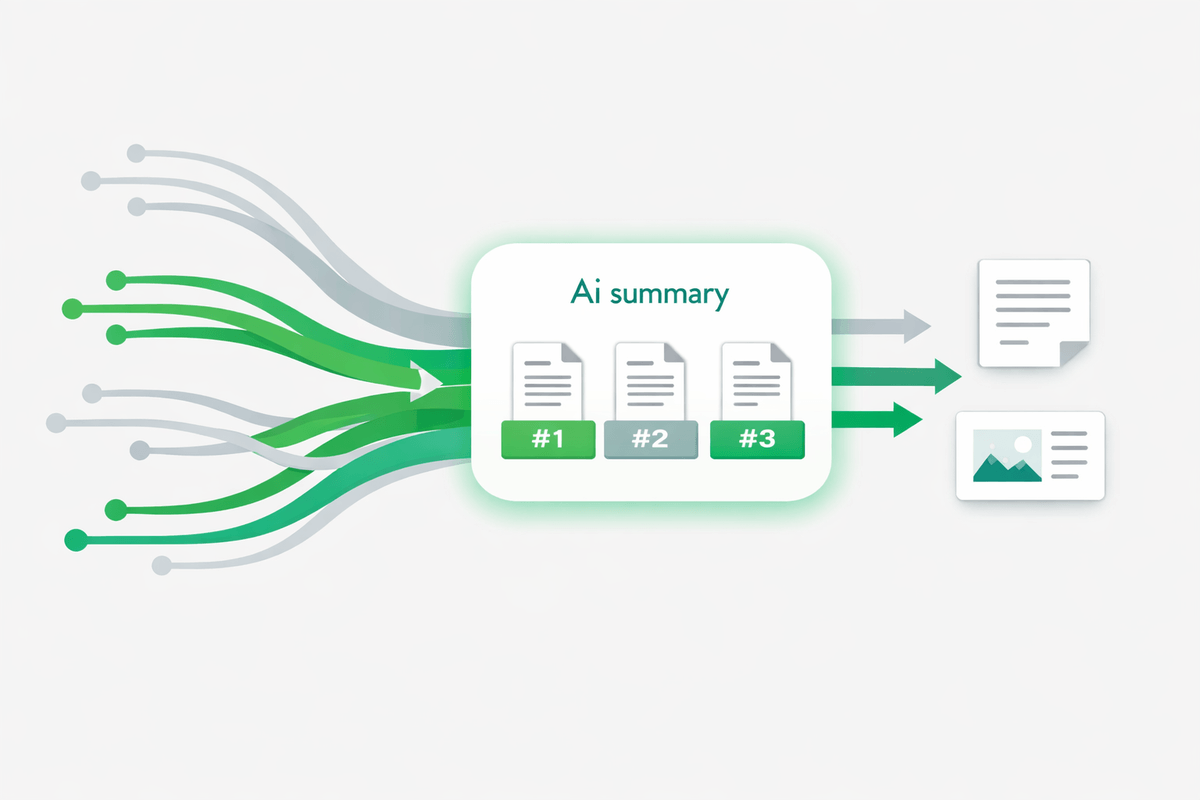
Google AI Overviews optimization in 2026 means publishing semantically complete, citation-ready pages that answer multiple fan-out sub-queries with clear headings, sourced facts, and fresh updates. To get featured, combine strong E-E-A-T signals, schema markup, fast technical performance, and measurable citation tracking—because AI Overviews reward extractable answers and trusted brands, not keyword density.
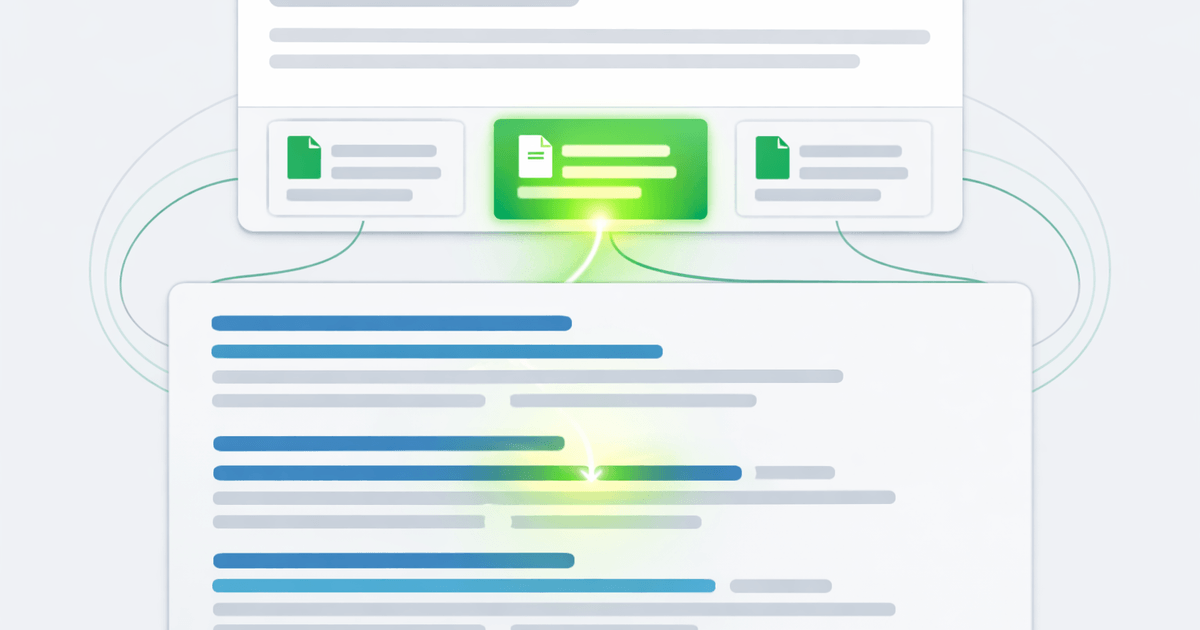
Google AI Overviews (Google’s AI-generated answer layer in Google Search) appear above classic blue links and cite a small set of sources. They are powered by Gemini (Google’s multimodal AI model family) and built to synthesize answers across many pages, not just rank one “best” result. In practice, Google AI Overviews optimization is about covering query fan-out angles and making each section easy to extract and cite.
AI Overviews now appear on 50%+ of searches (Averi.ai, 2026) and 50% of searches (Weply.chat, 2026), so “winning” increasingly means earning citations—even when users do not click.
| What Google AI Overviews reward most | What to do on-page | How to validate |
|---|---|---|
| Content structure | Answer-first H2s, tight paragraphs, tables | Manual SERP checks + chunk readability |
| Authority (E-E-A-T) | Named authors, credentials, sourced claims | Brand mentions + citations in AIO |
| Freshness | Update timestamps, new stats (dated) | Monthly prompt-set re-tests |
| Technical readiness | Crawlable HTML, schema, speed, mobile | GSC + CWV + schema validation |
The Google AI Overviews Landscape in 2026
Google AI Overviews matter in 2026 because visibility is shifting from clicks to citations across high-intent queries. Semrush’s keyword research (2025) showed AI Overviews appearing frequently across informational categories; by 2026, multiple industry trackers report much broader rollout, with AI Overviews appearing on 50%+ of searches (Averi.ai, 2026) and 50% of searches (Weply.chat, 2026).
Query Types That Trigger AI Overviews
| Category | AI Overview Frequency | Notes |
|---|---|---|
| Science | 25.96% (Semrush, 2025) | Highest saturation |
| Computers & Electronics | 17.92% (Semrush, 2025) | Technical queries perform well |
| People & Society | 17.29% (Semrush, 2025) | Informational content |
| Food & Drink | Growing fastest (Semrush, 2025) | Recipes and how-to content |
| Commercial queries | Rising (Semrush, 2025) | Was under 1%, now growing |
The Zero-Click Reality
Studies show AI Overviews can reduce organic CTR by up to 61% for queries where they appear (reported widely in 2025). The shift reframes success: traditional SEO measured clicks, while AI Overviews push teams to measure visibility, citations, and share of voice.
Citation sets also change frequently across repeated queries, which is why a “publish once” approach fails. In 2026, durable AIO visibility comes from consistent coverage across subtopics, not a single page optimized for one keyword.
How Google AI Overviews Choose Sources
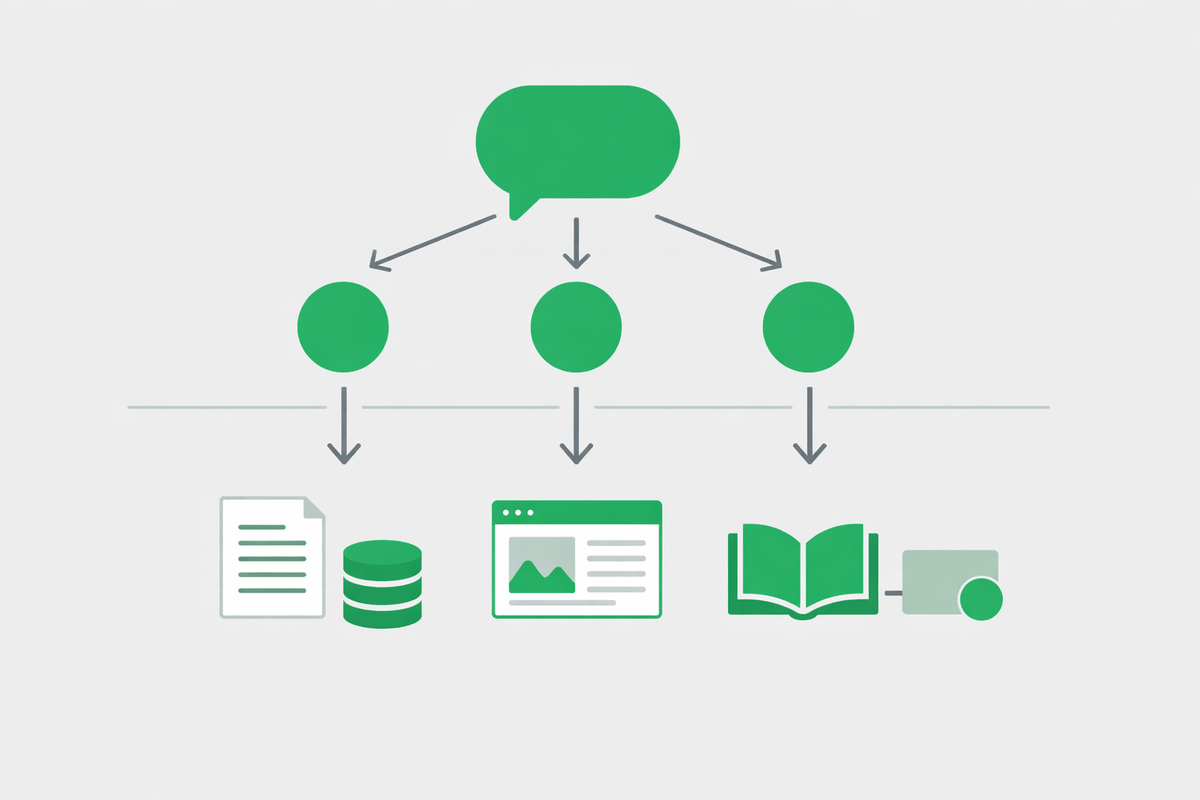
Google AI Overviews do not simply cite the #1 organic result; they cite pages that answer multiple fan-out sub-queries with high semantic completeness. Query fan-out (Google’s process of decomposing one question into many related searches) rewards pages that cover definitions, comparisons, steps, and constraints in extractable chunks.
E-E-A-T (Experience, Expertise, Authoritativeness, Trustworthiness) remains a gating factor, but semantic completeness (how fully a section answers a question without needing extra context) often decides which page becomes cite-worthy. This aligns with industry reporting that top-10 overlap for AIO citations has weakened (Ahrefs/BrightEdge, 2026).
The foundation of effective optimization lies in structuring content for AI consumption. Research shows that AI Overviews favor content with clear hierarchical structure: Use H2 and H3 headings to organize information logically.
| Traditional organic ranking signals | AIO citation selection signals | Why it matters |
|---|---|---|
| Backlinks, PageRank | Extractable answers + coverage breadth | AI needs quotable chunks |
| Keyword relevance | Entity clarity + inline definitions | Reduces ambiguity in synthesis |
| On-page SEO | Sourcing + factual consistency | Unsourced claims get skipped |
| Freshness (some niches) | Freshness (most niches) | Recency drives trust and selection |
6 Google AI Overviews Optimization Strategies That Increase Citation Odds
These six strategies are the most repeatable levers for getting cited in Google AI Overviews. The goal is not “AI copywriting”; the goal is building pages that Google Search and Gemini can retrieve, verify, and quote. For deeper context on cross-engine tactics, see our guide to generative engine optimization techniques.

1. Structure Content for AI Extraction
AI systems favor content they can easily parse and extract. Use clear heading hierarchies, place key information near the top of sections, and write in a format that answers questions directly.
Practical application:
- Start sections with the key answer, then expand
- Use H2s for main topics, H3s for subtopics
- Include summaries at the beginning of long articles
- Break complex information into digestible chunks
One of the most effective ways to optimize for Google AI overviews is to use the 'Atomic Answer' framework. This involves placing a concise, 40 to 60 word paragraph directly under a question-based heading.
2. Add Statistics and Original Data
Content containing specific statistics gets cited more frequently. In practice, dated numbers help Google validate recency and reduce hallucination risk. For example, AI Overviews appear on 50%+ of searches (Averi.ai, 2026), and structured data can increase AI visibility by up to 30% (Averi.ai, 2026).
How to implement:
- Include specific percentages and numbers
- Cite the source of all statistics
- Use recent data (within 12 months when possible)
- Present data in easily scannable formats
3. Cite Authoritative Sources
AI Overviews trust content that demonstrates it has done its research. Citing authoritative sources signals that your information is well-founded. For AIO-specific tactics and examples, compare multiple guides like Koanthic (2026) and Search Engine Land (2026): Koanthic’s AIO guide and Search Engine Land’s GEO guide.
Best sources to cite:
- Academic research and peer-reviewed studies
- Government and official sources
- Recognized industry publications
- Primary sources and original reporting
4. Implement Schema Markup
Structured data helps Google understand your content's context and relationships. While not a direct ranking factor for AI Overviews, schema markup improves content parsing. Structured data can increase AI visibility by up to 30% (Averi.ai, 2026). Implement JSON-LD (JavaScript Object Notation for Linked Data) for consistency across templates.
| Content Type | Recommended Schema |
|---|---|
| Q&A content | FAQPage |
| How-to guides | HowTo |
| Articles | Article with author info |
| Products | Product |
| Organizations | Organization |
5. Build E-E-A-T Signals
Google's AI needs to trust your content before citing it. Build signals of Experience, Expertise, Authoritativeness, and Trustworthiness throughout your site. Review-platform presence can matter for AI recommendations: “G2 is the most cited software review platform on ChatGPT, Perplexity, and Google AI Overviews” (Averi.ai, 2026).
Key elements:
- Detailed author bios with credentials
- Clear about pages explaining your expertise
- Regular content updates showing ongoing engagement
- Transparent sourcing and methodology
6. Maintain Content Freshness
AI Overviews favor current information, especially for topics where accuracy depends on recency. Regular updates signal that your content reflects the latest understanding. In operational terms, treat updates like releases: add “Last updated” dates, refresh tables, and re-test a fixed query set monthly.
Update strategy:
- Review and refresh statistics annually
- Add new developments as they occur
- Update publication dates when making substantial changes
- Address emerging questions in your space
Mini example: rewrite for AI-citable extraction
Before (weak): “Our platform is great and helps a lot with AI visibility.”
After (citable): “AI visibility improves when a page answers multiple sub-questions with dated sources, clear H2/H3 headings, and schema markup (FAQPage, Article). This structure makes the content easier for Gemini and Google Search to extract and cite.”
Technical SEO Requirements for Google AI Overviews
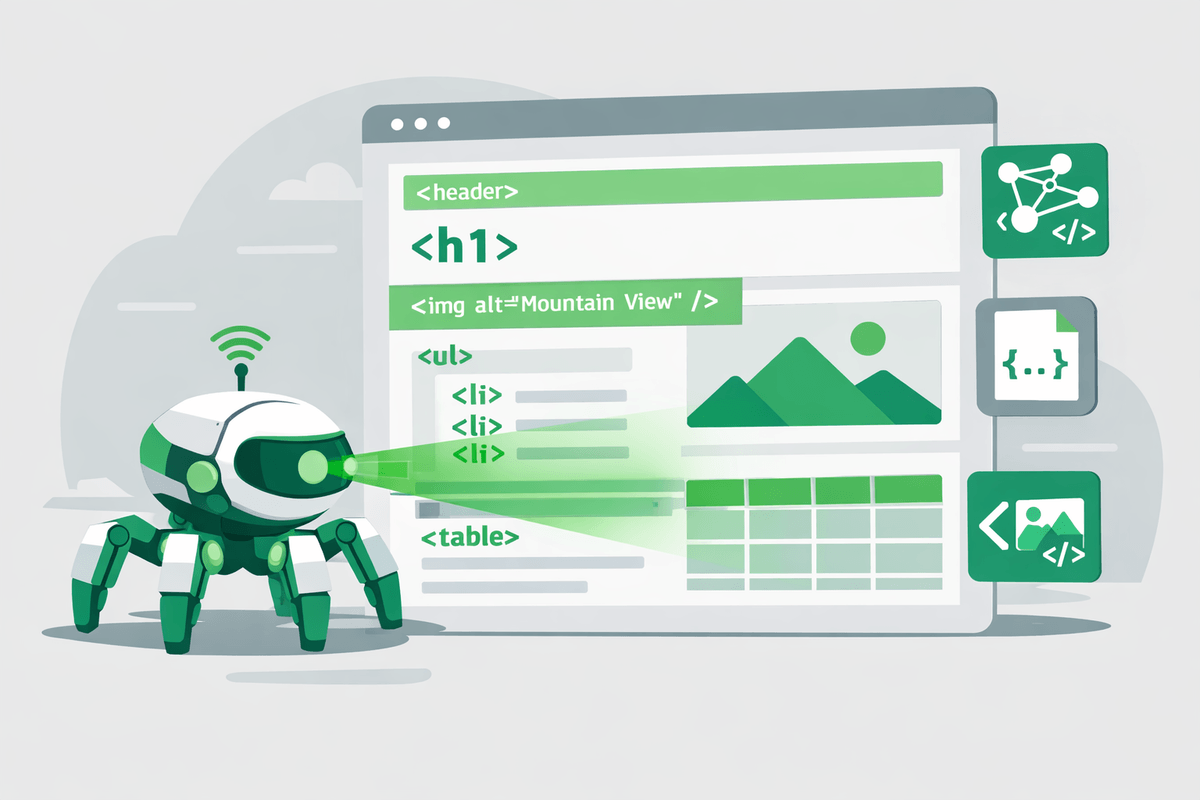
Technical SEO does not guarantee Google AI Overviews citations, but weak technical health can block eligibility. Crawlability (Googlebot can fetch the page) and indexability (Google can store and rank the page) are separate requirements, and both must be clean for Gemini-driven retrieval to work.
Speed is a practical differentiator. Pages with First Contentful Paint (FCP) under 0.4 seconds average 6.7 citations, while pages slower than 1.13 seconds drop to 2.1 (Averi.ai, 2026). Core Web Vitals (Google’s page experience metrics) and mobile rendering matter because AI Overviews are prominent on mobile SERPs.
| Technical requirement | What to implement | Why it matters for AIOs |
|---|---|---|
| Crawlability | Allow Googlebot; avoid blocked resources | Prevents retrieval failures |
| Indexability | Correct canonicals, noindex hygiene | Ensures page is eligible to cite |
| Speed (FCP/CWV) | Optimize FCP, reduce JS bloat | Correlates with citation volume |
| Semantic HTML | Proper H2/H3, lists, tables | Improves extraction quality |
| Structured data | JSON-LD: Article, FAQPage, HowTo | Clarifies entities and intent |
| Image metadata | Descriptive alt text + captions | Supports multimodal signals in Gemini |
Troubleshooting tip: if pages do not get cited, first verify indexing in Google Search Console (coverage, canonicals), then validate schema, then test mobile rendering and FCP regressions.
How to Measure Google AI Overviews Visibility and Citation Impact
Google AI Overviews performance cannot be measured with one metric. Rank tracking alone is insufficient because AIO citations rotate and may pull sources outside the top 10. The most reliable approach is a repeatable measurement system that combines manual SERP checks, citation capture, and proxy signals in Google Search Console.

AI share of voice (the percentage of tracked prompts where a brand is cited or mentioned) is the KPI most teams can operationalize. In an Oltre AI-style workflow, teams define a fixed query set (e.g., 30 informational + 20 commercial queries), test weekly, and log: cited URLs, cited entities, and competitor domains. For deeper implementation, use our AI citation tracking strategies and pair it with Search Console trend monitoring.
| Metric | What it shows | Tool/source | Review cadence |
|---|---|---|---|
| AIO citation count | Direct inclusion in AI Overviews | Manual SERP checks | Weekly |
| AI share of voice | Brand presence across query set | Prompt-set log (Oltre-style) | Weekly |
| Branded mentions | Authority without a click | SERP screenshots + notes | Monthly |
| GSC impressions | Proxy visibility shifts | Google Search Console | Monthly |
| Citation volatility | How often sources rotate | Repeated-query sampling | Monthly |
To benchmark across engines, align the same query set with Perplexity and other assistants; see our guides on getting cited by ChatGPT for AI content and Claude AI optimization best practices.
Google AI Overviews vs AI Mode vs Gemini: What Changes in 2026
Google AI Overviews, Google AI Mode, and Gemini are related, but they are not interchangeable optimization targets. Google AI Overviews are a SERP feature inside Google Search; Google AI Mode is a different experience with different citation patterns; Gemini is the model family that powers multiple Google AI surfaces and rewards multimodal, well-structured content.
Evidence suggests overlap between AI Overviews and AI Mode citations is limited (Ahrefs, Dec 2025). Google’s ecosystem also heavily cites YouTube (video explainers, product demos, tutorials), so content teams should pair text with video references when possible and keep entity definitions Wikipedia-like for clarity.
| Platform | Citation behavior | Best content format | Optimization priority |
|---|---|---|---|
| Google AI Overviews | Short, selective citations in SERP | Answer-first sections + sourced facts | High for search demand |
| Google AI Mode | More links; different source mix | Encyclopedic depth + entity definitions | High for research journeys |
| Gemini | Multimodal + E-E-A-T heavy | Text + image metadata + video refs | High for brand authority |
3 implications for 2026 content teams: (1) Build one core page, then publish supporting subtopic pages to cover fan-out. (2) Track citations as a first-class KPI, not an afterthought. (3) Invest in multimodal assets—YouTube references and strong image metadata help across Google surfaces. For platform-specific playbooks, see appearing in Google AI Mode results and how to get cited by Gemini AI.
Track Your AI Overview Visibility
Oltre.ai monitors your citations across Google AI Overviews, AI Mode, and Gemini. See when you're cited, compare against competitors, and optimize your content for Google's AI ecosystem.
FAQ: Google AI Overviews Optimization
Schema note: implement FAQPage schema for the Q&A items below.
How much does Google AI Overviews optimization cost?
Google AI Overviews optimization typically costs the same as a content + technical SEO program because it uses the same foundations: research, writing, schema, and performance work. Budget depends on page count and update cadence. Most teams start with a 10–30 page audit, then prioritize the highest-impact templates.
How long does it take to get cited in AI Overviews?
Most sites see first citations after content is indexed and re-evaluated, which can take days to weeks depending on crawl frequency and competition. Faster results usually come from updating already-ranking pages. Maintaining a “Last updated” timestamp and refreshing dated statistics (2026) improves eligibility for recency-sensitive queries.
Why did my page stop appearing in Google AI Overviews?
Pages commonly lose citations when competitors publish fresher, better-sourced sections, or when Google changes which fan-out sub-queries it expands for a topic. Technical regressions also matter: slower FCP correlates with fewer citations (Averi.ai, 2026). Re-test the query set, check indexing, and refresh the cited section first.
What’s the difference between Google AI Mode and AI Overviews?
Google AI Overviews are SERP summaries that cite a few sources above traditional results. Google AI Mode is a separate AI-first experience with different citation behavior and typically more links. Optimization overlaps (structure, E-E-A-T), but AI Mode tends to reward deeper, more encyclopedic pages with explicit entity definitions.
Am I eligible for AI Overviews if I block Googlebot-Extended?
Eligibility depends on whether Google can crawl and index the page content it needs to cite. Blocking certain AI-specific crawlers can reduce how content is used in AI features, depending on configuration. The safest baseline is: keep key pages crawlable, verify indexability in Google Search Console, and avoid hiding primary content behind heavy JavaScript.
Further reading: Averi.ai’s 2026 AIO guide, Weply.chat’s 2026 update, and Fuel Online’s 2026 strategy guide.